


Keywords: aluminum electrolysis, prebaked anode, Hall-Héroult process, electrolytic cell, aluminum smelting, alumina, electrolytic bath, green manufacturing, aluminum production equipment
1. Introduction: Aluminum — A Pillar of Modern Industry
Aluminum is a lightweight, strong, and corrosion-resistant metal that plays a critical role in aerospace, automotive, construction, energy, packaging, and other sectors. The most common method for primary aluminum production is aluminum electrolysis, based on the Hall-Héroult process, developed in the 1880s.
With growing pressure to reduce energy consumption and carbon emissions, optimizing the electrolysis process and improving the efficiency of smelting equipment has become a global focus.
2. The Basic Principle of Aluminum Electrolysis
Aluminum electrolysis involves reducing alumina (Al₂O₃) into liquid aluminum using high-temperature molten electrolyte and strong direct current:
2Al₂O₃ (molten) → 4Al (liquid) + 3O₂ (gas)
Main process conditions:
- Operating temperature: 950–970°C
- Electrolyte: molten cryolite (Na₃AlF₆) as solvent
- High current: 180kA–600kA+
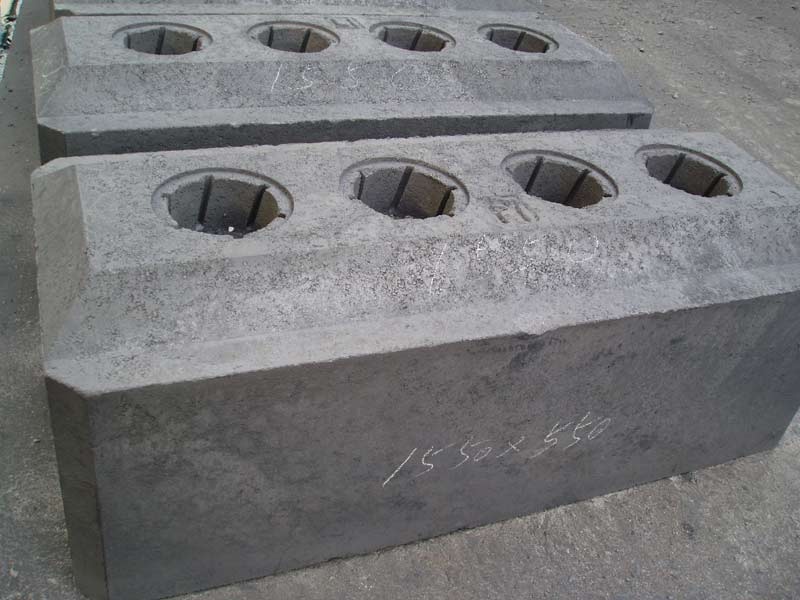
- Conductive, stable anodes: typically prebaked carbon anodes
3. Main Stages of the Aluminum Production Process
Alumina Refining (Bayer Process)
- Raw material: bauxite
- Process: digestion → settling → precipitation → calcination
- Output: industrial-grade alumina (purity >99.5%)
Prebaked Anode Production
- Materials: calcined petroleum coke + coal tar pitch
- Process: mixing → forming → baking → assembly with steel stub
- Goal: produce dense, low-resistivity, heat-resistant anode blocks
Electrolysis (Core Process)
- Large electrolytic cells operate continuously
- Alumina is fed into molten electrolyte and electrolyzed
- Molten aluminum settles at the bottom and is siphoned regularly
Aluminum Casting and Refining
- Process: impurity removal → alloying → casting
- Output: aluminum ingots, billets, alloy rods, and slabs
4. Core Equipment in the Aluminum Electrolysis Plant
| Equipment Name | Function |
|---|---|
| Prebaked Anode Forming Machine | Compacts raw materials into anode blocks |
| Anode Baking Furnace | Carbonizes anode blocks at high temperatures |
| Electrolytic Cell (Potline) | The main unit where aluminum is electrolytically produced |
| Feeding System | Automatically adds alumina and electrolyte to maintain balance |
| Tapping Equipment | Extracts molten aluminum at regular intervals |
| Gas Collection & Treatment System | Captures emissions and reduces environmental impact |
| Anode Replacement System | Handles routine anode changeover and lifting operations |
5. Energy Consumption & Environmental Challenges
Aluminum electrolysis is known as a high-energy-consuming process—producing 1 ton of aluminum typically requires 13,000 to 14,500 kWh of electricity. Moreover, during anode effects, greenhouse gases such as CF₄ and C₂F₆ are emitted.
To address this, green and low-carbon smelting practices are gaining momentum.
Key optimization directions:
- Adoption of low-carbon or graphite anodes
- Use of intelligent control systems to reduce anode effect frequency
- Integration of waste heat recovery and carbon capture technologies
- Implementation of green aluminum certification and ESG standards
6. Conclusion: Toward Smart, Low-Carbon Aluminum Smelting
Driven by Industry 4.0 and global carbon neutrality goals, the aluminum electrolysis industry is moving from traditional high-current smelting toward digital and intelligent manufacturing.
By applying:
- High-precision sensors
- AI-driven control optimization
- Real-time data platforms for plant monitoring
Smelters can significantly reduce power consumption, extend equipment lifespan, and enhance product quality—ultimately leading to a smarter, greener, and more efficient aluminum production ecosystem.